

2025 Sustainable Gastronomy Award
Umániko, ilunion hotels: a model of sustainable and inclusive gastronomy
People, the real differentiating factor
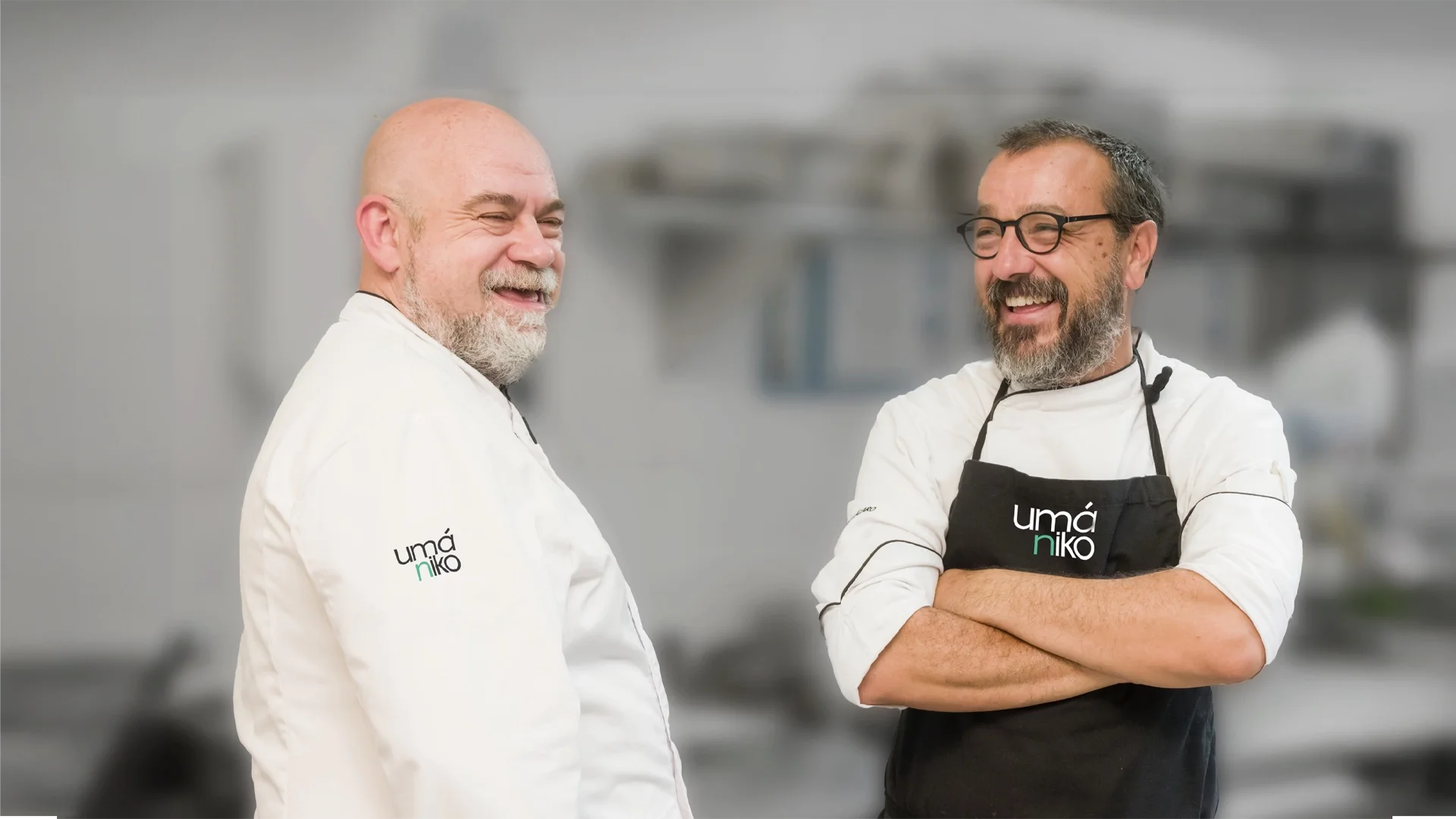
The greatest differential value of the project is its people. The model has been implemented in 13 ILUNION Hotels Special Employment Centers, where more than 73% of the workforce is made up of people with disabilities and 12% are in vulnerable situations. This approach turns catering into a powerful tool for social inclusion, generating quality employment and promoting a diverse, accessible, and humane working environment.
High internal satisfaction and team commitment translate directly into the customer experience, creating dining spaces where warmth, care, and hospitality take on real, tangible value.
Umániko, ILUNION Hotels' new restaurant chain, has been recognized with the Sustainable Gastronomy Award at the Traveling for Happiness 2025 awards for its ability to integrate social inclusion, environmental sustainability, and gastronomic experience into an innovative and replicable model within the hotel sector. More than just a culinary proposal, this initiative is a statement of intent: to demonstrate that another way of doing catering is possible, putting people at the center.
The project was created under the umbrella of ILUNION Hotels' Responsible Catering Policy, aligned with the values of the ONCE Social Group, and is structured around two main areas: environmental impact and animal welfare, and human health and well-being. Based on this vision, the gastronomic proposal is committed to a cuisine based on the Mediterranean diet, with seasonal products, local suppliers, and a clear reduction in the use of red meat, increasing the presence of plant-based options.
Environmental commitment and circular economy
Environmental sustainability is one of the fundamental pillars of the project. This new restaurant model is committed to responsible gastronomy that cares for the environment and animal welfare. In this regard, endangered species such as dogfish have been removed from the menu, as well as products associated with animal cruelty practices, such as foie gras, prioritizing a culinary offering with a greater presence of vegetable-based dishes.
The selection of raw materials is based on local products and suppliers, which already account for 66% of the total, adapting the gastronomic offer to each territory and incorporating certified products such as REX ASC sea bass. This approach reduces the environmental footprint associated with transportation and strengthens the local productive fabric.
In addition, a comprehensive food waste management policy has been developed, structured in four phases: prevention, through responsible purchasing planning and expiration date control; management, promoting recipes that make use of surplus food; saving and donating, through partnerships such as Too Good To Go and the internal redistribution of products nearing their expiration date; and, finally, preventing waste from ending up in landfills through the proper separation of organic waste.
The digitization of kitchen processes, with the use of touch screens for order management (KDS), helps to minimize unnecessary paper use, while the elimination of single-use plastics and the reduction of single-serve portions reinforce the commitment to a more efficient and responsible restaurant industry that is aligned with the principles of the circular economy.
People, the real differentiating factor
The greatest differential value of the project is its people. The model has been implemented in 13 ILUNION Hotels Special Employment Centers, where more than 73% of the workforce is made up of people with disabilities and 12% are in vulnerable situations. This approach turns catering into a powerful tool for social inclusion, generating quality employment and promoting a diverse, accessible, and humane working environment.
High internal satisfaction and team commitment translate directly into the customer experience, creating dining spaces where warmth, care, and hospitality take on real, tangible value.
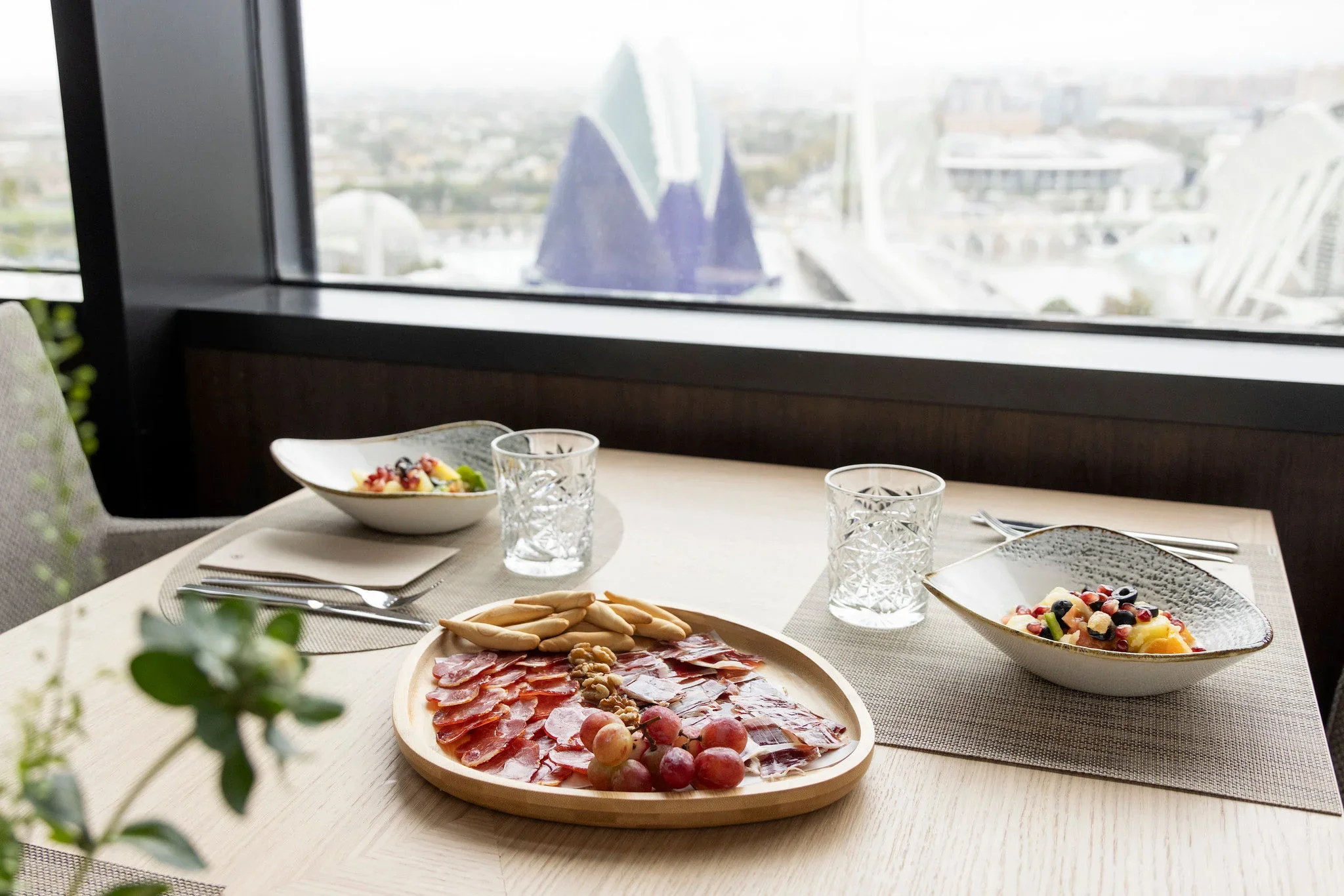
Umániko Project. Photo: ILUNION Hotels